


Arvin® - AI Logo Maker
4.81.89K Reviews
App Specs
- Version
- 2.6.4
- Updated On
- License
- Free
- Downloads
- 5,000,000+
- Developer
- IdeaLabs.
- Categories
- Art & Design
- Platform
- Android, iOS
Screenshots
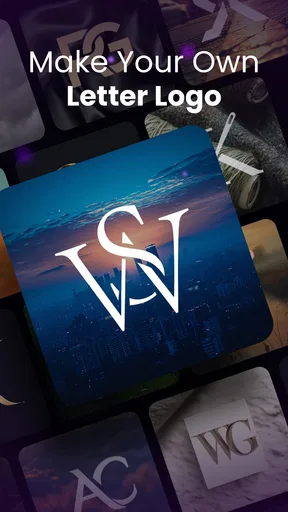
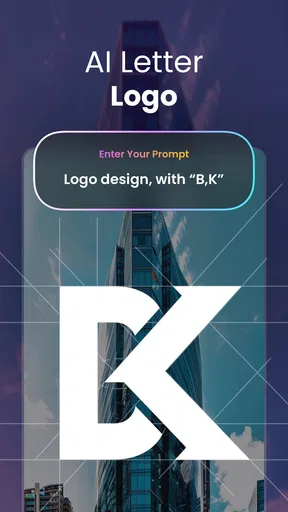
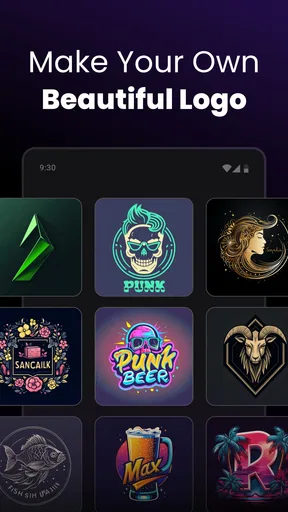
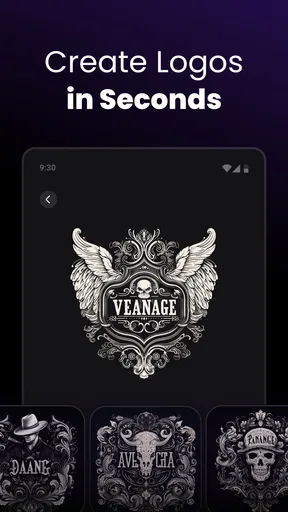
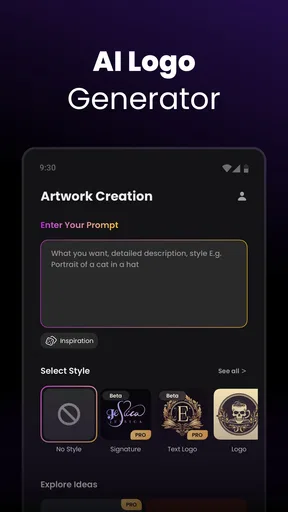
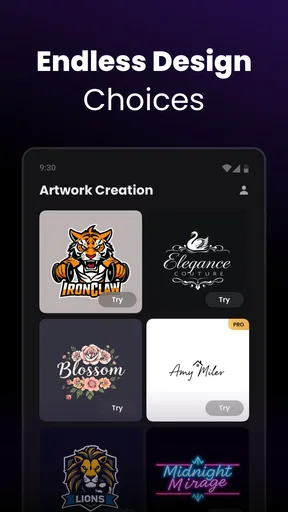
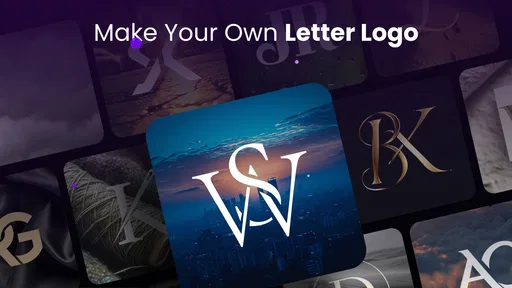
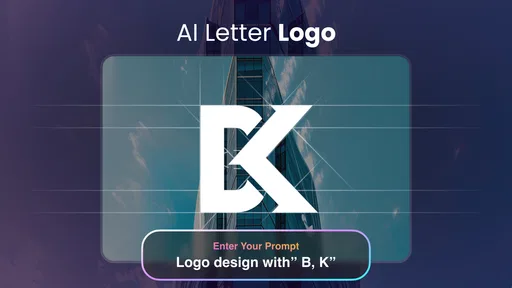
 Analysis by AppCompare
I’d use Arvin® - AI Logo Maker as a quick, low-pressure place to explore a visual identity, not as a substitute for a full branding project. The app is aimed at making logo work approachable, which matters if you have a new shop, side project, club, or personal page and are staring at a blank screen. My best advice is to arrive with a little direction: a name, a sense of the audience, and a couple of words describing the mood you want. That makes the first design choices easier to judge.
What to expect from a phone-based logo maker
Arvin is an Art & Design app from IdeaLabs. It is free to install, with in-app purchases ranging from under a dollar to just under a hundred dollars per item. That range is wide enough to make it worth checking what an option costs before committing to it. The app is rated for teens, and its current release is version 2.4.1, with Android support beginning at version 7.0.
Its appeal is convenience: instead of opening a complex design program and building every element from scratch, you can start with generated logo directions and adjust the look. That suits people who need a first draft or a usable starting point more than people who want exact control over every curve and spacing decision. A phone screen is handy for trying ideas, though it can make subtle alignment and small text harder to assess than on a larger display.
The app has a 4.6 average from around 74,000 ratings and has passed a million installs. Those figures suggest that plenty of people have tried it, but popularity does not guarantee that every suggested design will fit your project. I’d treat generated concepts as options to evaluate, not as finished brand strategy.
Getting Started with Arvin® - AI Logo Maker
First things first, downloading and setting up Arvin® - AI Logo Maker was a breeze. It’s available on both Android and iOS, so no matter what device you’re using, you’re covered. Once installed, you’re greeted with a slick interface that’s super user-friendly. Honestly, it felt like the app was holding my hand through every step, which is great if you’re someone who gets overwhelmed easily by too many options.
Make the first prompt or choice specific
The design process is where this app truly shines. You start by selecting your industry or business type, and the app generates several logo ideas based on that. I found this feature incredibly helpful. It’s like having a creative buddy who knows what’s trending in the design world. Plus, you don't need to be a design guru to make something that looks professional. Just pick a template and customize away.
For a stronger first pass, I’d think beyond the industry label. A bakery, for example, could aim for warm and handmade, clean and modern, or playful and family-friendly. Those distinctions help you decide whether an appealing symbol actually says the right thing about your particular project. Before settling on one direction, compare a few candidates at the same size and ask which remains recognizable when you glance at it briefly.
Worth Reading Before You Choose

EA SPORTS FC Mobile 26 Is a Bigger Football Game, but It Takes Time

Flipboard Shows What News Apps Must Do Beyond the Feed

Switching to Android Auto Means Rethinking Your Driving Routine

Google Calendar Makes a Crowded Week Easier to Manage

Ludo King Makes the Most of the Minutes Between Plans

Baby Panda World Brings Quick Play to Modern Phones, but Its Game Library Feels Busy
A realistic first-use scenario might be a person preparing a social profile for a weekend craft business. They can use the app to explore a few visual directions, adjust colors and type, and see whether the result feels consistent with the products. The useful outcome is not necessarily a perfect, permanent identity on the first try; it may simply be a clear draft that gives the project a recognizable face while the owner tests the idea.
Customization works best with restraint
Customization is straightforward. You can tweak everything from colors to fonts to icons. One thing I really appreciated was the range of fonts available. They’ve got everything from sleek modern styles to quirky vintage ones. It’s like a candy store for typography lovers! And if you're someone who likes to tweak every little detail, you’ll be happy to know that the app gives you plenty of room to do just that.
That freedom can also make it easy to overwork a design. I’d change one kind of element at a time: settle on a symbol, then compare type choices, then test color. If you change the icon, font, and palette together, it becomes difficult to tell which decision improved the logo. A practical check is to shrink the design to the size it might occupy on a profile image. If the lettering or fine details disappear, simplify rather than adding more decoration.
It’s also worth checking how the name behaves in the layout. A long business name may feel balanced in one arrangement but cramped in another, while a short name can leave an icon looking disconnected. Try the full name you actually intend to use, not a temporary placeholder. If the logo is for a project that may later expand beyond one product or service, avoid choosing a symbol so literal that it becomes awkward as the business grows.
Use AI as a starting point, not a verdict
Now, let’s talk about the real star of the show: the AI. The app’s AI capabilities are impressive, to say the least. It learns from your preferences and suggests designs that align with your style. It’s almost as if it reads your mind. This feature is great for those who might not know exactly what they want. The AI does the heavy lifting, while you get to enjoy the creative process without the stress.
I’d still keep a critical eye on the suggestions. A design can look polished while feeling familiar or generic, especially if it relies on a common visual shorthand for its field. Before choosing, ask whether someone could recognize your project from the logo alone, or whether the design could easily belong to several unrelated businesses. If it feels interchangeable, use the generated direction to clarify what you like, then adjust the elements that make it more personal.
One useful workflow is to save a short list of qualities you want the logo to communicate and use those as a filter while comparing ideas. For example, “calm, practical, and friendly” is more actionable than simply asking for something attractive. This also helps avoid chasing every new suggestion. The AI can widen the field of possibilities, but your own audience and purpose should decide which idea survives.
Mockups help with context, but check the actual design
Another neat feature is the app’s ability to generate mockups. You can see how your logo will look on business cards, t-shirts, and even billboards. This visualization is a game-changer because it helps you understand the potential of your design in the real world.
I’d use those previews to judge broad fit, not to assume that a logo is ready for every production use. A design that looks striking on a large mockup may become unreadable when reduced to a small avatar. Conversely, a subtle detail that looks clear on the phone may not stand out against a busy background. Look at the logo itself as well as its presentation, and make sure the mockup is not doing the work of making an ordinary design seem more distinctive.
For an everyday decision, imagine using the same mark on a profile picture, a simple flyer, and a label. The logo should remain legible and recognizable across those different contexts. If it only looks convincing in one preview, that is a sign to revisit the composition before you build more materials around it.
Export choices and the point where free may not be enough
Once you’re happy with your masterpiece, exporting it is a piece of cake. The app offers a variety of formats, so whether you need something for print or digital use, you’re sorted. Sharing your logo directly from the app to social media platforms is also a breeze, making it perfect for those quick reveals to your followers.
Before relying on an export for a specific job, check the available format and whether it suits the destination. A small image that works on a social profile may not be the right asset for a large printed sign. If you are preparing files for a printer or handing work to another designer, confirm what they need first; a convenient share option is not automatically the same as a production-ready package.
One thing to note, though, is that while the basic features are free, some of the more advanced options come with a price tag. It’s something to keep in mind, especially if you’re on a tight budget. But in my opinion, the investment is worth it for the quality you’re getting.
Since purchases vary in cost, I would decide what I need before paying: is the free result enough for a temporary project, or do I need a particular customization or export option? Check the purchase screen carefully and avoid buying extras just because they appear while you are experimenting. If the logo is for a business with lasting commercial use, it may be sensible to compare the cost and file requirements with a professional design service before making a final choice.
Where it fits among other design options
Compared with a general-purpose graphic design app, Arvin keeps the task focused on logo ideas, which can make it less intimidating for a first-time user. A broader design tool may be better when you need to build a complete set of materials, arrange complex layouts, or maintain precise control over every object. Hiring a designer is the stronger choice when originality, brand research, and careful preparation for multiple uses matter more than speed or convenience.
For a personal project, a small community group, or a quick concept to discuss with a collaborator, a logo maker can be a sensible middle ground. It lets you move from “I need something visual” to a concrete direction without first learning a full design suite. I would not treat it as the best fit for a company whose identity must stand apart in a crowded market, or for someone who already knows they need detailed vector editing and a coordinated brand system.
The app is also less useful if you have no name or purpose in mind yet. Design suggestions can help explore style, but they cannot decide what your project stands for. Even a few minutes spent writing down the audience, tone, and likely places the logo will appear can prevent a lot of aimless tweaking.
Who should try it, and what to do next
Overall, my experience with Arvin® - AI Logo Maker was overwhelmingly positive. It’s a tool that manages to blend simplicity with powerful features, making it accessible for everyone from beginners to more seasoned designers. If you’ve been putting off creating a logo because it seemed too daunting, this app might just change your mind.
I’d especially recommend it to a first-time creator who wants to explore visual options on a phone and arrive at a presentable starting point. It can also help a small project owner compare styles before deciding whether to invest in a more tailored identity. I’d skip it if you expect the app to replace a brand strategist, guarantee a unique mark, or prepare every file you might need without checking the export details.
So, if you’re on the lookout for a logo maker that’s both effective and fun to use, give Arvin® a try. It might just become your go-to app for all things logo-related. Happy designing!
Pros
- User-friendly interface for quick logo creation.
- Extensive library of design templates available.
- High-quality export options for professional use.
- Customizable features to suit brand needs.
- Affordable pricing compared to competitors.
Cons
- Limited font options might restrict creativity.
- Occasional bugs reported during export.
- Requires internet connection for full features.
- Free version includes watermarks on logos.
- Some advanced features locked behind paywall.
FAQs for Arvin® - AI Logo Maker
What is Arvin® - AI Logo Maker?
Arvin® - AI Logo Maker is a mobile application designed to help users create professional logos using artificial intelligence. The app offers a variety of customizable templates and design tools that cater to both beginners and experienced designers. It’s available on both Android and iOS platforms, providing a seamless logo creation experience.
How does the AI feature in Arvin® - AI Logo Maker work?
The AI feature in Arvin® - AI Logo Maker analyzes user inputs, such as industry, style preferences, and color choices, to generate logo suggestions. This technology helps streamline the design process by offering personalized logo options, saving time and effort while ensuring a unique and professional outcome.
Are there any costs associated with using Arvin® - AI Logo Maker?
While Arvin® - AI Logo Maker offers a free version with basic features, there are also in-app purchases available for premium features. These may include access to advanced design tools, exclusive templates, and high-resolution logo exports. Users can choose to subscribe monthly or annually to unlock these additional features.
Can I use the logos created with Arvin® - AI Logo Maker for commercial purposes?
Yes, logos created with Arvin® - AI Logo Maker can be used for commercial purposes. Once you have completed your design, you own the rights to the logo and can use it for branding your business, website, or any other commercial venture. However, it’s important to check specific licensing terms within the app.
Is Arvin® - AI Logo Maker suitable for beginners?
Absolutely. Arvin® - AI Logo Maker is designed to be user-friendly, with intuitive controls and helpful tutorials that make it accessible to beginners. The app guides users through each step of the design process, making it easy to create a professional-looking logo without any prior design experience.


